9+ curated guides • Updated November 2025
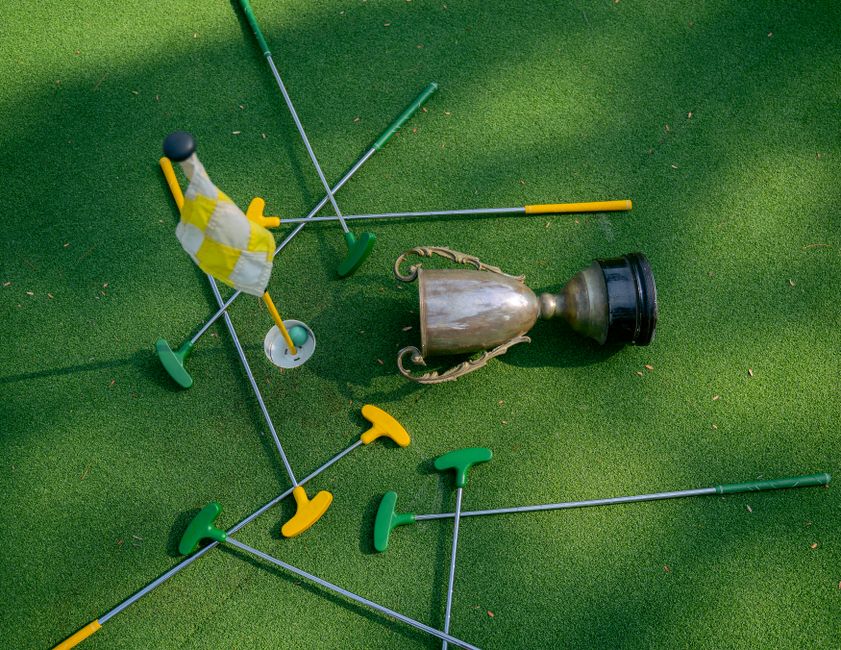
We meticulously track their box office numbers and streaming stats, but the truest measure of a celebrity's influence might be a single-digit number whispered on the fairways of exclusive country clubs. A low golf score isn't just about bragging rights; it's a key that unlocks rooms where real power is brokered, proving that the most important game isn't always played on screen. In this analysis, we peel back the curtain on Hollywood's most guarded status symbol, revealing how the ability to hit a draw on command translates directly into financial leverage and access to the highest echelons of global influence. Forget the Walk of Fame; the real map to power is the scorecard at Augusta.
One day, it’s a quiet neighborhood bookstore in Los Feliz. The next, a line snakes around the block and every copy of a specific novel is sold out. The cause wasn't a review in the Times, but something far more potent and unpredictable in Los Angeles: a single paparazzi photo of an A-lister leaving the store, book in hand. This is the story of the 'celebrity spotlight' effect, a phenomenon that can feel like winning the lottery or weathering a hurricane for LA's small business owners. We're not talking about paid endorsements or brand collaborations; we're talking about the accidental, explosive power of a candid photo. This article pulls back the curtain on the TMZ headlines to investigate the real-world economic and operational whiplash experienced by the Silver Lake cafes, Echo Park vintage shops, and Culver City ceramic studios caught in the gravitational pull of modern fame.
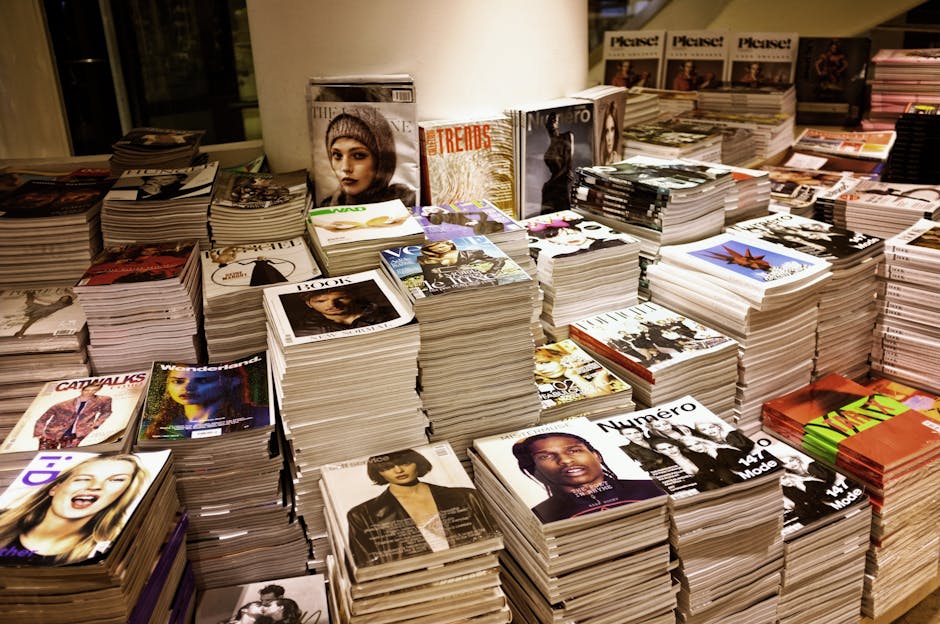
We see them on magazine covers and in blockbuster films, seemingly born for the spotlight. But before the fame and fortune, many of today's biggest stars had résumés that looked surprisingly like our own, filled with fast-food gigs, manual labor, and downright weird side hustles. As a pop-culture historian, these aren't just trivia-night facts to me; they are the origin stories of our modern myths. They are the gritty, unglamorous first chapters that make the eventual triumph so much more compelling. This is where the real story begins—not under the klieg lights, but under the fluorescent hum of a fast-food kitchen or in the claustrophobic confines of a mascot costume.
Most people book a cruise for the ports of call, viewing the ship as a floating hotel between destinations. But what if the most breathtaking destination wasn't on the itinerary? The Celebrity Beyond challenges this very notion, presenting itself not just as a vessel, but as a masterfully curated gallery of art and design that deserves to be explored in its own right. This isn't merely a ship; it is a meticulously composed argument for the importance of design in shaping our experience of travel. As a critic who has spent decades analyzing the interplay of form and function, I find the Beyond to be one of the most compelling architectural statements at sea today. It demands we shift our focus from where the ship is going, to what the ship is.
In a world of media training and carefully worded apologies, the Sagittarius celebrity is a fascinating anomaly. Governed by a need for truth and a tendency for bluntness, these stars often build their entire brand on being unfiltered—a high-stakes strategy that can lead to either massive adoration or major controversy. These celestial archers, born between November 22 and December 21, are ruled by Jupiter, the planet of expansion, philosophy, and unvarnished truth. In Hollywood, a town built on illusion, their instinct is to shatter the mirror. This article isn't a list; it's an autopsy of a public relations strategy dictated by the stars, examining how this cosmic predisposition creates icons and invites implosions.
The search for 'celebrities with herpes' is a modern-day witch hunt, but the real story isn't who has a common virus. The real story is how the accusation alone has become a devastating tool for public shaming, capable of derailing careers and defining legacies in a way the actual health condition never could. This isn't a medical issue; it's a media one. In the ecosystem of celebrity takedowns, the herpes accusation has been refined into a uniquely cruel and effective narrative weapon. It operates on a simple, brutal principle: the charge is the conviction. By leveraging deep-seated cultural anxieties about purity, sex, and deceit, accusers and the media outlets that amplify them can inflict irreversible reputational damage before a single fact is established. We're not just watching a legal battle; we're witnessing a masterclass in the weaponization of public health stigma.
Look closely at that intricate gold filigree in the museum display. It wasn't made by a machine or a 3D printer; it was crafted using skills that are now on the brink of extinction. This isn't just about 'fancy' gold jewellery—it's a journey into the soul of the craft, exploring the forgotten arts that modern technology may never replicate. My master, a man whose hands hold more history than most textbooks, calls this the 'ghost in the gold'—the indelible, human signature left by a true artisan. We are not here to discuss what is trendy or expensive; we are here to discuss what is priceless and disappearing. We will journey past the glitter of the showroom to the hushed, focused world of the master's bench, where the real magic happens.
Most people book an Alaska cruise for the untamed wilderness: calving glaciers, breaching whales, and the raw spirit of the Last Frontier. But what happens when you view it all from behind the floor-to-ceiling windows of a floating luxury hotel, a craft cocktail in hand? We sailed on a Celebrity cruise not just to review the ship, but to answer a bigger question: does modern luxury enhance the wild, or does it keep the real Alaska at a comfortable, sanitized distance? This isn't a question of comfort versus hardship, but of connection versus observation. We travel to feel something new, to be changed by a place. My journey through the Inside Passage was a study in that tension—a constant negotiation between the call of the wild outside and the siren song of the perfectly climate-controlled, impeccably serviced world within.
Headlines tell you who we lost. They rarely reveal what we gained and continue to live with. This week, we're looking past the traditional obituaries to trace the surprising 'echo effect' of a recently departed creator—uncovering one specific technique, trend, or idea they pioneered that has permanently woven itself into the fabric of our modern lives. While the world mourns television director Akira Tanaka, known for his late-90s cult series Neon Ghosts, we are focusing on the single, revolutionary visual technique he gifted to storytelling: the 'Introspective Cutaway.' This wasn't just a stylistic quirk; it was a fundamental shift in how character psychology could be portrayed on screen, an echo that now resounds in everything from blockbuster films to 30-second social media videos.